


Spanish real estate is a popular choice among foreigners for a variety of reasons, including second homes, investments, and permanent migration. The warm weather, stunning beaches, vibrant towns, and delicious food of Spain make it a very popular destination for foreigners. You can buy property in Spain without any legal problems, no matter what country you are from.
But the search for a permanent residence is a necessary part of any move to Spain, whether for employment in Barcelona or Madrid or for retirement on the Costa del Sol. The Costa del Sol tourism business is also growing, which makes it a good place to invest. Foreign buyers keep coming to the Costa del Sol because of its unique lifestyle, climate, and opportunities.
It doesn’t matter if you are from the EU or not; anyone can buy a home in Spain. It’s easy to buy a property in Spain, but if you don’t have the right help, it can quickly become a legal or financial headache. So, we will tell you everything you need to know about buying a property in Spain as a foreigner in this guide.
Is it difficult for Foreigners to Buy Property in Spain?
Buying property in Spain as a foreigner is more practical and less complicated than you might think. But you need to know the laws, how taxes work, and the steps needed to get things done.
EU citizens or non-EU citizens
The procedure is much easier for citizens of the European Union. You don’t need a visa to live, work, or purchase property in Spain. The similar legal protections and financial access across EU countries make buying a home in Spain easy for EU citizens. People from the UK have become non-EU buyers since the UK left the EU. This means they have to go through a few more steps.
You are still free to own property in Spain, but you will need an NIE (Número de Identificación de Extranjero). If you want to buy a house in Spain after Brexit, you may have to get a visa for a long-term stay, like the non-lucrative visa. There are still many British people buying property in Spain, especially in places like Alicante and the Costa del Sol.
Legal requirements for Buying Property in Spain
It is crucial for foreigners to understand their legal requirements when buying property in Spain, as these laws may differ from those in their home country. British and European Union (EU) citizens can easily buy property in Spain. But there are crucial legal requirements to follow for a smooth property investment process.
Get an NIE number
If you are not from Spain, you need to get a Foreigner’s Identification Number (NIE). This is essential for purchasing real estate or engaging in any other type of financial transaction in Spain.
Open a bank account in Spain
There is no strict legal requirement to have a bank account. But if you want to manage the purchase and ongoing costs of the property well, you almost have to open a Spanish bank account.
Consult a property lawyer and hire a notary public
You should hire a lawyer who specializes in Spanish property law to ensure the process goes smoothly. The buying contract, also called escritura de compraventa, must be signed in front of a notary public, who is a lawyer who specializes in civil law.
How to Buy a Property in Spain as a Foreigner: Step-by-Step Guide
It can be easy and safe to buy property in Spain if you follow the right steps and work with the right people.
Researching the market and the best places in Spain
You should first take some time to learn about the Spanish real estate market and figure out what you want. Are you buying a property in Spain as a vacation home, for permanent residence, or as an investment for rental income? There are different places you can go based on your goals.
Researching the different types of properties in each area like Costa del Sol—flats, townhouses, villas—as well as comparing resale and off-plan choices, is also a good idea. You should also consider infrastructure, public services, culture, and international airports.

Hire an independent real estate solicitor.

The next important step after choosing the right area and property type is to hire a private real estate lawyer. You can also avoid common mistakes with the help of an experienced property solicitor.
When you use their services, you won’t have to worry about losing deposits, signing agreements too soon, or paying debts related to the property.
They can explain taxes and prepare a power of attorney if you aren’t in Spain for every step. They also handle communication with notaries, registrars, and municipal halls.
Careful investigation and legal checks
After you hire a lawyer, they will do a careful investigation to ensure the property is safe to buy. They help you with:
- Verifying title documents, mortgages, and embargoes at the Land Registry.
- Getting approval from the Town Hall to follow urban planning rules.
- Checking the Cadastre for information on property size and usage.
- Investigating past due bills for utilities, community fees, and taxes.
- They also check building permits, insurance, and developer reliability for new or off-plan properties.
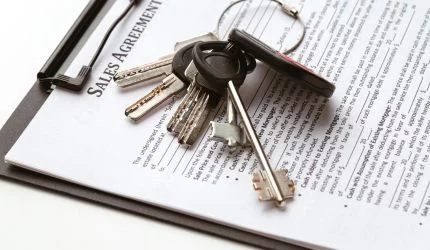
Signing the private agreement

You will sign the private sale agreement after the property in Spain has passed all inspections, and both parties have agreed on the conditions.
You have to follow the terms and conditions of this legally binding deal, which include the sale price, payment schedule, timeline, and any special conditions, such as whether furniture is included or if repairs are needed.
You need to pay a deposit, which is usually 10% of the entire amount, to hold the property at this point.
Final payment and deed
After that, you’ll need a Spanish notary to publicize the deed of sale. When the buyer pays the remaining balance, the seller formally relinquishes legal possession of the property. The notary will also affirm that the necessary taxes have been paid.
These may include Transfer Tax or VAT, based on the type of property in Spain. The bank’s agent will also be at the signing if you have a mortgage. You’ll get the keys and a verified copy of the deed after the signing. The original will be sent to the Land Registry for registration.

After-sale formalities
Your lawyer will take care of the rest of the paperwork after you sign the deed. This paperwork includes registering your name on the property’s registration in Spain, keeping the Cadastre (land register) up to date, transferring utilities, and paying any remaining taxes.
If you don’t live in Spain, they will also help you fill out the necessary property reports and make sure you follow all Spanish tax rules.
Costs and taxes for buying a Property in Spain

It is very important to understand the true cost, especially for buyers from other countries who may not be aware of local taxes and legal fees. This is what you can expect:
Property taxes include stamp fee, VAT, and ITP
You should plan your budget around this because it is one of the highest costs of buying a property in Spain. What kind of tax you have to pay varies depending on whether the house is brand new or brand new:
Taxes for new properties
Tax | Percentage |
VAT (IVA) | 10% of the purchase price |
Stamp Duty (AJD) | 1.2% of the purchase price |
Taxes for resale properties
Tax | Percentage |
Transfer Tax (ITP) | Generally flat 7%, but can vary depending on the autonomous community |
Notary and registration fees
Tax | Percentage |
Notary fees | Around 0.5% to 1% of the purchase price |
Land Registry fees | Between 0.5% and 1% |
Legal fees | Typically around 1% of the purchase price |
It’s best to hire a lawyer specializing in Spanish property law, as the process is so complicated. These professionals can handle legal checks, discussions, and paperwork, protecting your rights throughout the entire process of buying property in Spain.
Conclusion
It is simple and safe for people from other countries to buy a property in Spain. But you need to be careful and know what you’re doing. As you can see, there are many important steps in the buying process, from obtaining the NIE to checking the property’s legality, from managing taxes to signing the final contract.
You need to pay close attention to every step and understand the laws that apply to the Spanish real estate market. Costa del Sol is perfect for wealthy people looking to buy luxury homes on the coast because it offers a high quality of life, strong business opportunities, and a community of people from all over the world.
Professional help and careful planning can make buying property in Costa del Sol, Spain, as a foreigner easy and profitable. Are you looking for a real estate agent in Costa del Sol? You can use our site to find the best real estate agent for your needs.
Who we are
We operate as a business directory with listings across Costa del Sol, available in multiple languages. Our coverage includes everything from small inland towns to seaside areas. When moving to Costa del Sol, have you struggled to find a good lawyer in Malaga, a public notary in Marbella, or a home in Mijas?
Infocostadelsol helps by providing accurate information on everything in Costa del Sol, Spain. Our website is developed and maintained by locals with direct knowledge of the area. We verify and regularly update business contact information. Ready to start your home search or find trusted local services in Costa del Sol? Visit our recommendations page now.