



Week one in Nerja. You have a lease, a new bank card and a fridge that hums too loudly, and then the lady at the health centre smiles and asks for your empadronamiento. That word will follow you around for a while. It refers to your registration on the padrón in Spain, the list of residents every town hall keeps, and the school and even a letter about local elections will ask for proof of it sooner or later. There is good news, though. One visit to the ayuntamiento is usually enough, as long as your papers are in order.
- What it isThe register of residents kept by every Spanish town hall
- Who registersEveryone who lives in Spain, in the town where they usually live
- Waar?At your own ayuntamiento, at the desk or through its sede electrónica
- Decision timeUp to three months, after which silence counts as a yes
- Legal basisArticle 15 of Ley 7/1985 and the INE instructions of 2020
→ Find trusted local businesses on the Costa del Sol
The padrón in Spain in plain words
Spanish law is short and to the point on this one. Article 15 of Ley 7/1985 says that anyone living in Spain registers in the padrón of the municipality where they usually reside. That includes everyone. Retired couples from Leeds, a Danish remote worker in Fuengirola, a family from Antwerp who bought a finca near Cómpeta, they all end up on the same municipal list.
Nationality plays zero role here. The technical instructions of the INE from 2020 state that the registration stands apart from the legal situation of a foreigner in Spain, as checking it falls outside the task of the town hall. Its job is to record where you live, which keeps the padrón in Spain open to everyone who settles here.
The town hall cares about that list for down to earth reasons. Every registered resident counts when the municipality plans its services, from waste collection to the number of places in the local school. So in a mountain village of a few thousand people, each new name on the padrón in Spain carries real weight, and the staff at the counter know it.
Documents for your padrón in Spain
Proof of who you are
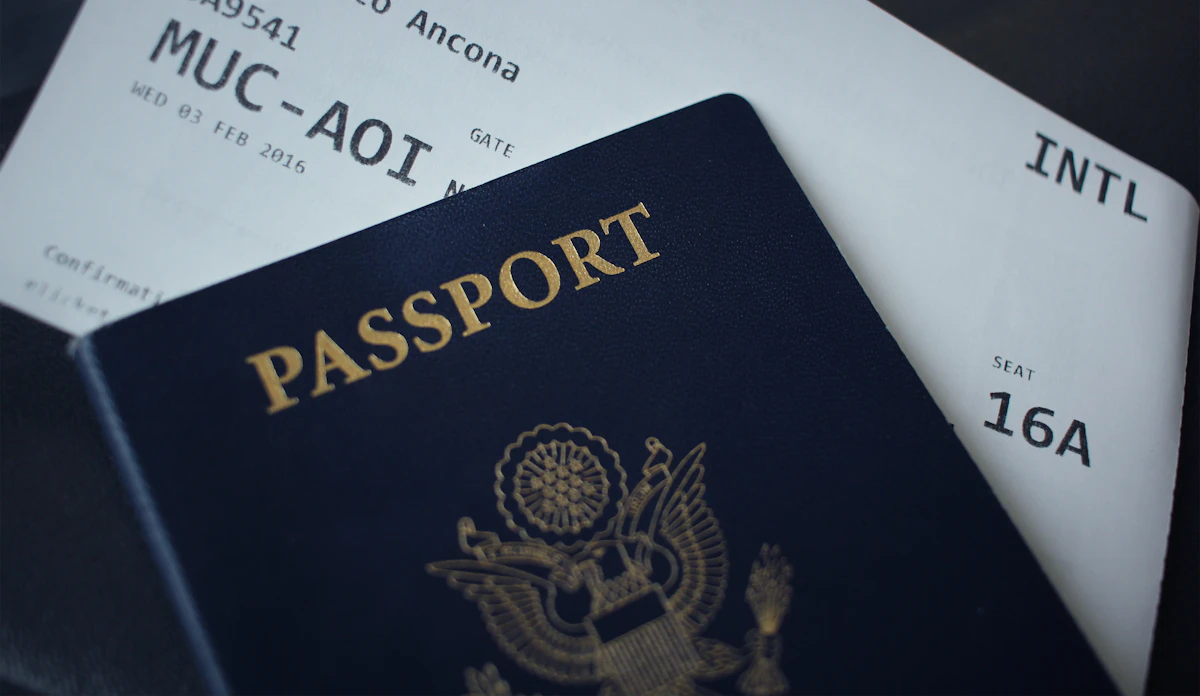
For the padrón in Spain, citizens of the EU, the EEA and Switzerland register with their passport or national identity card. Many also carry the green Certificado de Registro de Ciudadano de la Unión with their NIE number on it. That certificate lacks a photo, so the instructions ask you to show your passport or identity card alongside it. People from outside the EU bring their TIE card with the NIE, or their passport.
Proof of where you live
Proof of address for the padrón in Spain depends on your situation. Owners bring the escritura, the purchase contract or a recent note from the Land Registry. Tenants bring a current lease for a main residence together with the latest rent receipt. Moving in with someone who is already registered at the address? Then an adult resident with a title to the home, owner or tenant, signs a written authorisation for you.
The list above is the standard. Town halls are allowed to accept other papers too, a recent electricity or water bill for instance, and some prefer to send a local police officer round to see whether you actually live there. Then there is the hoja padronal, the registration form for the padrón in Spain. Every adult named on it signs, so bring your partner along or have them sign beforehand.
→ Read our guide to NIE, taxes and paperwork in Spain
Registering at the town hall in 5 steps
- Collect your passport or identity card, plus your green EU certificate or TIE if you have one.
- Add the deed of your home, or your lease with the latest rent receipt, or the signed authorisation of the person already registered there.
- Pick up or download the hoja padronal and fill it in, with every adult on the form signing it.
- Hand in your application for the padrón in Spain at the ayuntamiento, or apply through its sede electrónica with a digital certificate or Cl@ve when your town offers that route.
- Ask for a volante or a certificado de empadronamiento once your registration on the padrón in Spain is processed.
For the padrón in Spain, the town hall has three months to decide and notify you. Once those three months pass in silence, positive administrative silence applies and you count as registered from the date of your application. A refusal always comes with written reasons, and you can appeal it.
Short rentals and the padrón in Spain, the 2026 decision
A winter let of four or five months in Torre del Mar, and meanwhile you hunt for the right house. Half the coast started that way. A town hall put exactly this case to the Consejo de Empadronamiento, the national body that advises municipalities, and the answer came on 29 April 2026. For the padrón in Spain, the standard rule asks for a lease for habitual residence. Tourist rentals and contracts of six months or less sit outside that rule in principle, because the register is meant for residents, and people passing through belong elsewhere.
That rule applies in principle. The same answer leaves room for common sense, and the ayuntamiento looks at each short contract for the padrón in Spain case by case. It may ask for extra proof that you plan to stay, an employment contract for longer than six months being the example the Consejo itself gives. What do we recommend? Take that proof with you on the first visit, which saves you a second appointment.
Renewals and checks on your padrón in Spain
On the padrón in Spain, EU citizens and holders of permanent residence keep their registration while they live at the address, although the town hall may check now and then. A letter can arrive asking you to confirm in writing that you still live there. A quick reply keeps your entry up to date. When the town hall is unable to confirm your residence, it can start a procedure to remove you from the register.
Non EU citizens without permanent residence follow a stricter rhythm and renew their registration on the padrón in Spain every two years. The INE flags these entries about three months before the deadline, and the town hall may send a reminder. Once two years pass and the renewal is missing, the town hall declares the registration expired.
Moving your padrón in Spain to another town
Swapping a flat in Málaga for a village house in Frigiliana means moving your padrón in Spain to Frigiliana as well. Article 70 of the Reglamento de Población makes the rest automatic, because the new registration removes you from the padrón of Málaga. A move within the same town is lighter still and only changes the address on your existing entry.
Volante or certificado de empadronamiento
Two documents prove that you are on the padrón in Spain. The volante de empadronamiento serves to inform, comes unsigned and covers most everyday requests. The certificado de empadronamiento carries the signature of the town hall secretary, often electronically with a verification code, and you need it whenever a law asks for it specifically. Ask the office which of the two your next step requires before you leave the counter.

Where you need your padrón in Spain
For most families the first real test is the health centre. Before it issues the health card, the Servicio Andaluz de Salud asks for proof of your padrón in Spain in the form of a certificado de empadronamiento, which shows that you live in Andalusia. Foreign residents need one more thing on top, a registration with Spanish Social Security, through their own job or as the family member of someone who works.
Voting is another reason to arrange your padrón in Spain early. EU citizens who want to vote in Spanish municipal elections need to be on the padrón of the town where they live. Schools use the register for enrolment as well, and some regional housing schemes ask for a minimum period of registration before you can apply.
Veelgestelde vragen
How long does it take to get a padrón in Spain?
For a padrón in Spain, the town hall has a legal maximum of three months to decide on your application and notify you. When those three months pass in silence, you count as registered from the date you applied.
Can I register on the padrón with a short term rental contract?
Tourist rentals and contracts of six months or less fall outside the standard rule for the padrón in Spain. Since the decision of the Consejo de Empadronamiento of April 2026, the town hall judges each short contract case by case and may ask for extra proof, such as an employment contract longer than six months.
Does the padrón expire in Spain?
A padrón in Spain stays valid for EU citizens and holders of permanent residence, and the registration lasts while they live at the address. Non EU citizens without permanent residence renew every two years. An expired passport or identity card leaves the registration itself intact.
Lees ook
- How to handle administration in Spain, NIE, taxes and paperwork
- Moving to Spain, the complete guide for 2026
- Healthcare on the Costa del Sol
- Beste plaatsen om te wonen aan de Costa del Sol
- Kosten van levensonderhoud aan de Costa del Sol
Uw gids voor de Costa del Sol
infocostadelsol brings the Costa del Sol together in one place. Visitors and residents find personally selected local businesses from Nerja to Estepona, each listing showing what the business does and which languages it speaks. Next to that you find guides to what to do in every town, roundups of the best places on the coast and practical articles for everyone settling in Spain, from buying a home to the padrón in Spain. Running a business here yourself? A listing puts you in front of the people who arrive on the coast every season.